Little Farmer Fridays Give Plano's Youngest Residents a Taste of Life on the Land
Heritage Farmstead Museum's weekly program for toddlers and preschoolers blends storytime, crafts, livestock, and wagon rides on a 4.5-acre farm.
Heritage Farmstead Museum's weekly program for toddlers and preschoolers blends storytime, crafts, livestock, and wagon rides on a 4.5-acre farm.
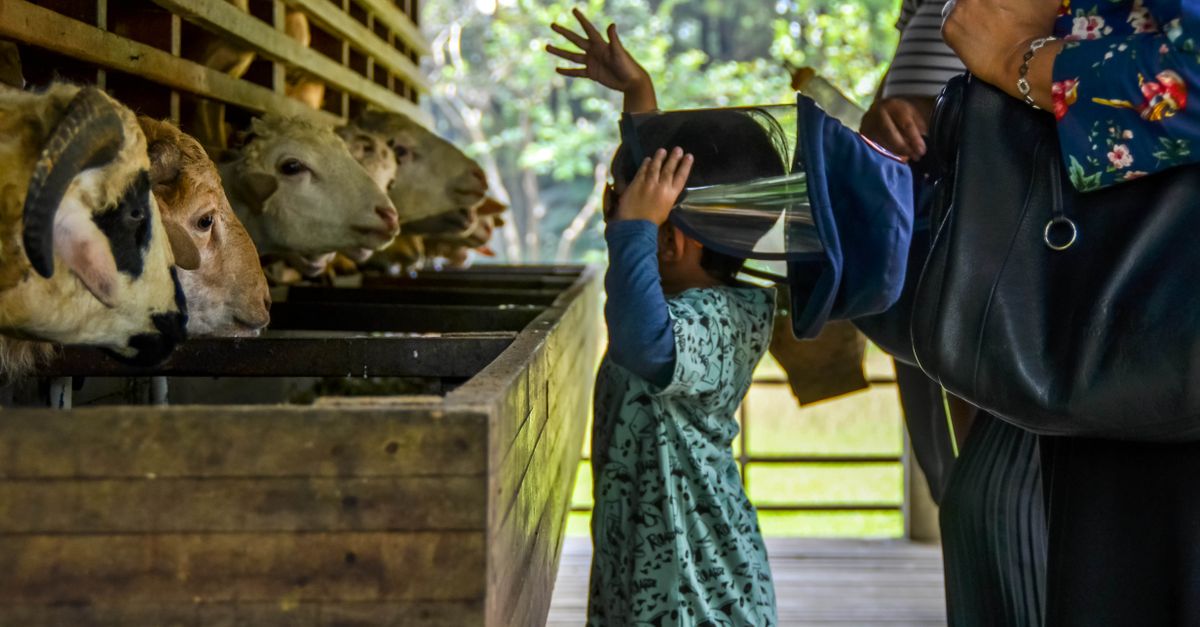
A child crouches near a fence post, eyes level with a goat, one hand outstretched and slightly trembling with excitement. Behind her, a wagon idles on a dirt path while a small group of adults watches, phones mostly pocketed. This is a Friday morning at Heritage Farmstead Museum, and it looks about the same as it has every Friday this summer.
Little Farmer Fridays runs on a rhythm that suits the age group it serves: slow, hands-on, and rooted in one specific place. The program is designed for children ages 2 to 5 and the grown-ups who bring them, which means a parent, grandparent, or caregiver is part of every session. That detail shapes the whole experience. Nobody is dropped off. Nobody navigates it alone.
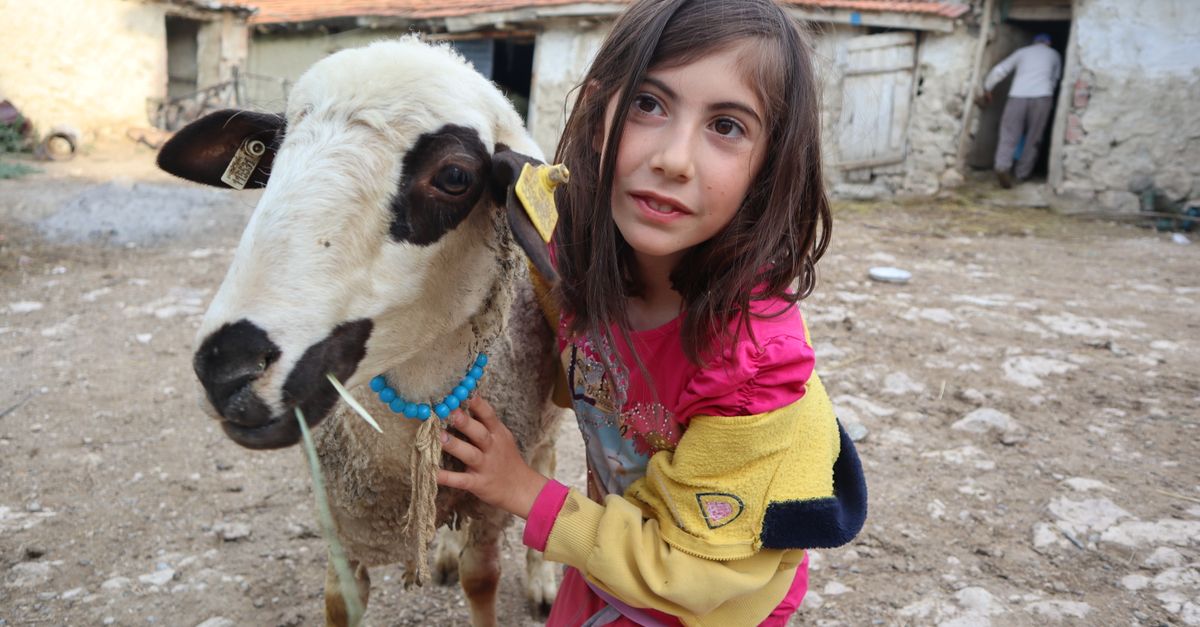
Each session moves through a loose sequence that feels more like a morning at a working farm than a structured class. Families start with a story — read aloud, the way it should be — then shift to a hands-on craft before heading outside to meet the livestock. A wagon ride follows, and the rest of the 4.5-acre property is open to explore.
The farm sits at 1900 W. 15th St. in Plano, a few blocks from the city’s older residential neighborhoods. From the street, the white Victorian farmhouse is the first thing you notice. The property behind it — barns, animal pens, garden plots, open grass — is what keeps families coming back on repeat Fridays.
For a toddler, the sequence of story, craft, animals, and wagon covers an enormous amount of developmental ground in one outing. For the grown-up alongside them, it offers something harder to find: an outdoor hour that does not require constant redirection.
Heritage Farmstead is not a theme park reproduction of rural life. It is a preserved 1890s farmstead that happens to sit inside one of the fastest-growing suburban corridors in North Texas. The Haggard family farmed this land for generations, and the property survived long enough to become a museum when the surrounding cotton fields became shopping centers and subdivisions.
That context gives Little Farmer Fridays a layer that a generic children’s program does not have. When a two-year-old climbs into the wagon, she is riding across the same ground where working families grew crops in a part of Texas that looked nothing like it does today. The museum does not belabor that point with young children, but the place itself carries it.
Plano’s growth has been relentless for decades. The city now holds more than 300,000 residents, and its northern corridor — Legacy West, the Shops at Willow Bend, the incoming Dallas Stars arena district — represents some of the most active commercial development in the region. Against that backdrop, a 4.5-acre farm near downtown is a significant thing to still have.
Little Farmer Fridays is not the only children’s programming Heritage Farmstead Museum runs this time of year. The museum also hosts week-long summer camps for children entering kindergarten through sixth grade, focused on farm life and hands-on nature exploration. The camps are structured differently — longer days, older kids, a more extended arc — but they share the same philosophy as the Friday program: get children outside and let the place do some of the teaching.
For families with children who span both age ranges, the museum functions as a consistent anchor across several summers rather than a single-visit novelty.
The program continues on Fridays through the summer and into fall. Families considering a visit can check the museum’s schedule directly at the Heritage Farmstead Museum website before heading over, since session times and any registration requirements are posted there.
W. 15th Street has ample street context — the farmstead is a recognizable landmark for anyone who has driven through that part of Plano — but first-time visitors should plan to arrive a few minutes early. The parking situation is modest, in the way that most things on a nineteenth-century farm are modest, and a calm arrival makes the morning easier for everyone, especially the two-year-olds.
The measure of a children’s program is whether families return. Little Farmer Fridays draws repeat visitors, which says something about both the format and the place. There is no screen involved. The animals are not animatronic. The wagon moves at wagon speed.
In a city that has spent the last thirty years building itself into a regional economic hub, keeping a working farmstead operational and open to the public is a quiet civic achievement. Letting the smallest residents spend a Friday morning there, story in hand, craft on the table, goat at eye level, is a reasonable way to make sure they know what Plano looked like before they got here.
Restaurant reviews, events, and local news from Plano, delivered weekly.
The week's top local news & events, free in your inbox. No spam — unsubscribe anytime.