Little Farmer Fridays Turns a 4.5-Acre Plano Farm Into a Classroom for the Very Young
Heritage Farmstead Museum's weekly program gives Plano preschoolers stories, crafts, livestock, and wagon rides every Friday this summer.
Heritage Farmstead Museum's weekly program gives Plano preschoolers stories, crafts, livestock, and wagon rides every Friday this summer.

The question answers itself the moment a three-year-old reaches out to touch a live chicken for the first time. Every Friday this summer, Heritage Farmstead Museum at 1900 W. 15th Street has been offering exactly that kind of encounter through Little Farmer Fridays, a recurring interactive program designed specifically for preschoolers and the grown-ups who bring them.
The museum itself occupies 4.5 acres in the middle of a city that, for most of its young residents, means suburban streets, screen time, and air-conditioned interiors. Little Farmer Fridays is a deliberate counterweight to all of that — a structured but unhurried morning that moves through storytime, a hands-on craft, a visit with livestock, and a wagon ride around the property.
Heritage Farmstead Museum is not a conventional park or rec-center drop-in. The site preserves a late-nineteenth-century farmstead, and its educational mission has always centered on connecting visitors to the agricultural and domestic history of Collin County before Plano became a technology and corporate hub. That history is tactile by nature — it involves tools, animals, land, and seasonal rhythms — which makes it unusually well-suited to the developmental stage of children ages two through five.
Research in early childhood education has long pointed to the value of nature-based and sensory-rich experiences for young learners, but the practical argument for Little Farmer Fridays is simpler: very few places within Plano’s city limits allow a preschooler to stand next to a farm animal, hear a story in an outdoor setting, make something with their hands, and then roll across open land on a wagon — all in a single morning.
The program is designed for caregivers as much as children. The structure — story, craft, animal interaction, wagon ride — gives adults a clear sequence to follow, which matters when managing the attention span of a four-year-old. It is not a drop-off program. The framing of “preschoolers and their grown-ups” is intentional, positioning the experience as something families do together rather than something children are delivered to.
The sequence at Little Farmer Fridays moves through four distinct activities, each occupying a different corner of the museum’s sensory world.
Storytime anchors the beginning of the program. Reading aloud in a farm setting — surrounded by the sounds and smells that a book about farm life can only gesture toward — closes a gap that indoor library programs cannot. When a child hears a story about a rooster and then walks twenty feet to see one, the abstraction of language becomes concrete in a way that sticks.
The craft component follows storytime and shifts the child from passive listener to active maker. The specific craft varies by session, but the consistent goal is to give small hands something to construct, decorate, or assemble that connects thematically to the farm environment. For preschoolers, the act of making is itself the learning — fine motor development, following multi-step directions, and the quiet satisfaction of producing an object they can take home.
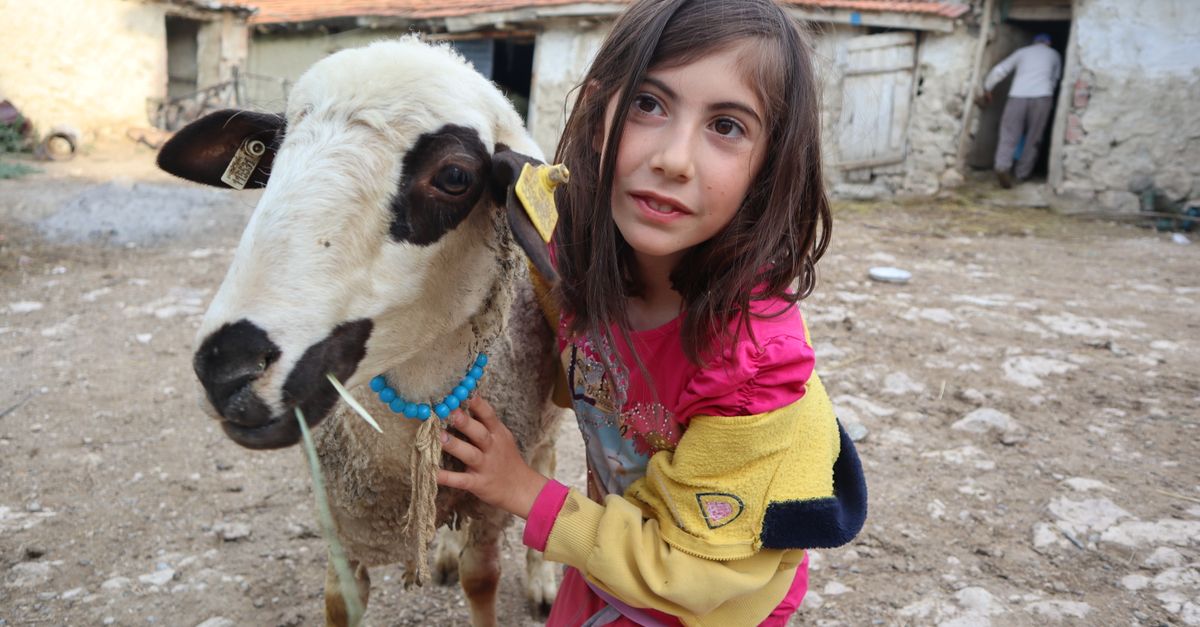
The livestock encounter is the part most families remember. Heritage Farmstead Museum maintains animals as part of its living-history mission, meaning the animals children meet are not exotic or theatrical — they are the ordinary creatures of a working farm: chickens, goats, and other livestock appropriate to a Victorian-era Texas property. For a child raised entirely in a suburban environment, the experience of standing next to a goat and understanding that it is a real, breathing, independently-motivated animal is genuinely novel. It is also calming in ways that are hard to predict until you watch it happen.
The wagon ride at the end of the program serves a purpose beyond simple fun, though the fun is real. Moving across the 4.5-acre property at a child’s pace, from a child’s vantage point, gives young visitors a spatial sense of the farm as a whole — its scale, its different zones, its relationship to the surrounding West Plano neighborhood. For many preschoolers, it is their first experience of a landscape that is neither a playground nor a parking lot, and that distinction registers even at age three.
Plano’s summer programming calendar in 2026 skews heavily toward older children and adults. School-age kids have sports leagues, camps, and library reading programs. Adults have DFW Restaurant Week, concert series, and the Texas Sculpts V exhibition running through late August at the ArtCentre of Plano on E. 16th Street. The under-five population is less obviously served by the city’s standard summer lineup, which makes Heritage Farmstead Museum’s consistent weekly offering more significant than it might appear on a single event listing.
Little Farmer Fridays also functions as an on-ramp to the museum itself. Many Plano families with young children have never visited the farmstead, despite it sitting on one of the city’s busier east-west corridors. The program gives caregivers a specific, low-stakes reason to show up — a defined activity, a friendly format, a short time commitment — and the experience tends to convert first-time visitors into repeat ones.
The program runs on Fridays at Heritage Farmstead Museum, 1900 W. 15th Street in Plano. It is designed for preschool-aged children and the adults accompanying them. The property covers 4.5 acres, so comfortable shoes and weather-appropriate clothing are practical considerations, particularly as Plano’s August heat remains significant through the end of the month.
Families planning a visit should check directly with Heritage Farmstead Museum for session times and any registration requirements, as details are subject to change. The museum’s site also carries information about its broader programming and the history of the farmstead itself — context that makes the Little Farmer Fridays experience richer for the grown-ups, even if the preschoolers are focused entirely on the goats.
Restaurant reviews, events, and local news from Plano, delivered weekly.
The week's top local news & events, free in your inbox. No spam — unsubscribe anytime.